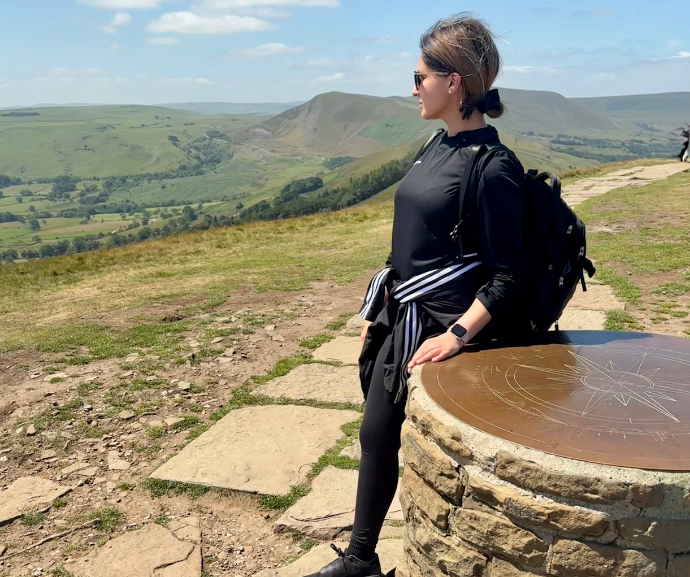
This is Saverra's Story.
I’ve experienced pain for as long as I can remember. My first period, at the age of 11, was extremely painful, and it never felt ‘normal’ or manageable.
I first reported my symptoms around 15 or 16. I was told to “bear with it” and that painful periods were normal. In school, I would cry during lessons and walk home bent over in pain, often bleeding through my clothes. Teachers just accepted it as normal.
I followed doctors’ advice, took prescribed medications, but they never worked. The only reason I was referred for laparoscopic surgery was because I mentioned I wanted to have a child. My pain alone wasn’t enough to be taken seriously.
For me, diagnosis took around 20 years from first experiencing symptoms to finally receiving a diagnosis via laparoscopic surgery. My journey involved repeated dismissal, minimisation, and misinformation. Hormonal medications over a decade did not work for me and actually worsened my symptoms, and I was told at a young age to consider having children or having “everything taken out” which I thought was a cure. Even on the day of my laparoscopy, a surgeon told me there was “most likely nothing wrong” with me.
Endometriosis affects every part of my life. There are days when I literally can’t get out of bed. Washing my face, getting dressed, even basic tasks can feel impossible. On those days, I have to decide where to focus my energy, saving enough just to make it through work. Sometimes just managing that feels like an achievement, but it’s not a healthy way to live, and it’s not fair that I have to structure my life around surviving my symptoms.
I’ve had to adapt almost everything, planning meals ahead, using delivery services, pacing myself, and looking for shortcuts wherever possible to conserve energy. I’ve downloaded apps to monitor heart rate and energy levels etc to guide exercise because I love going to the gym, but I have to plan around my physical limits.
Managing endometriosis is not just a physical challenge, it’s a mental one. I live with undiagnosed ADHD and there’s a constant tension between my body, which needs rest, and my mind, which pushes me to move. If I don’t get some form of movement, I feel agitated, sad, emotional, and unfocused. Endometriosis has added to my anxiety, depression, and periods of feeling very low. I try everything in my power to manage it, both through medication and alternative approaches but it’s exhausting. It’s a continuous relearning journey, but I still push myself as much as I can, sometimes overdoing it, though I think I do quite well given all the health challenges I face.
Work has been heavily impacted too. I’ve had to take a lot of sick leave, move from full-time to part-time and back, and have been told to reduce my hours which isn’t financially viable for me.
In the South Asian culture, these issues are rarely talked about. It’s frowned upon to speak openly about period pain or chronic conditions, and often people are told to “just hide it” or that it’s normal. That lack of conversation and understanding has made this journey even harder. I wish someone had told me early on that severe pain isn’t something you just have to tolerate, that it’s not normal to suffer in silence.
I found Endometriosis UK while searching for answers and reassurance that my experience wasn’t unique. Reading other people’s stories made me feel less alone and more understood. One of the reasons I submitted my story is because I feel endometriosis is still very underrepresented and not widely spoken about in the South Asian community, so I hope sharing my experience might help raise more awareness.
To others living with endometriosis or going through the diagnosis process, trust your body. Pain that disrupts your life is not normal. Keep advocating for yourself, even when dismissed. Adapting your life to cope is not failure, it’s resilience.
I hope we all get the support and help we need.
Thank you Saverra for sharing your story. We hear all too often that those suffering with endometriosis symptoms feel dismissed and that their pain is not taken seriously. Endometriosis doesn’t wait and Saverra and too many others like her are left without timely diagnosis and access to personalised care, treatment and management options. This must change.
Endometriosis UK is calling on UK Governments to act now to drive long overdue change to improve access to care and reduce diagnosis times. Our recommended roadmap for change is available to read in our 2026 Diagnosis Report, "The State of Endometriosis Care in the UK"
You can join us in taking action by writing to your elected representatives and asking them to take urgent action by using our easy online form.