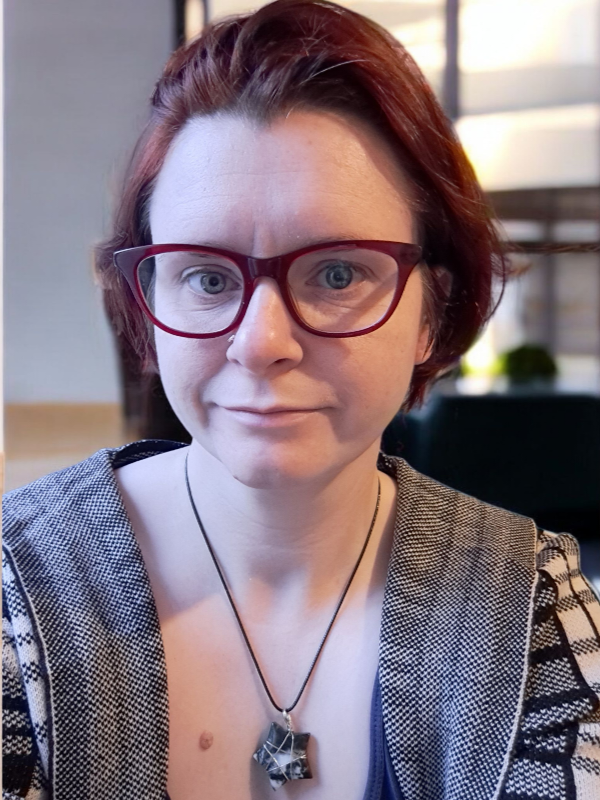
This is Lisa's Story
I first noticed symptoms from the very start of my periods, around age 11. From the beginning, the pain was severe, disruptive, and overwhelming - but I was told it was normal, that it would settle, and that everyone struggled. So I learned early to minimise what my body was telling me.
As the years passed, the pain didn’t disappear - it changed. It deepened. It became something I learned to plan my life around. I learned how to function while hurting, how to push through education, work, and daily life while managing symptoms that were invisible to others.
I sought medical attention repeatedly over many years, but my symptoms were often dismissed or explained away. It took several years of advocating, pushing for referrals, and insisting that something was wrong before I was finally diagnosed. I believed that once there was a name for what I was living with, things would become clearer and that accessing care would become easier. That wasn’t the case.
Even after diagnosis, it has continued to be incredibly difficult to be listened to, treated, or taken seriously. I have been told – correctly - that the stage of endometriosis does not correlate with how much pain someone experiences, yet in the same conversations, my symptoms have been minimised because my disease was described as “stage 1/2” or “superficial.” These labels have been used to downplay my pain despite years of symptoms, multiple surgeries, and ultimately a hysterectomy.
I have been told I “don’t have it as bad as others.” I have been advised that surgery should be a last resort. I have also been told, contradictorily, that my surgery cannot be done privately because my case is too complex.
At one point, a red flag referral was downgraded to an “urgent” referral with a 48-week wait - without a single test, scan, or appointment taking place before that decision was made. Faced with waiting almost a year without investigation while my symptoms continued to worsen, I felt I had no choice but to seek private care simply to be seen.
Throughout this journey, the physical impact has been relentless - chronic pelvic and abdominal pain, flares, fatigue, and the unpredictability of symptoms that affect every aspect of daily life. But the mental impact has been just as significant. Years of having to explain, justify, and prove my pain have led to anxiety around appointments, self-doubt, and emotional exhaustion. Living in a constant state of advocacy takes a toll.
Endometriosis has shaped my education, my working life, my relationships, and my mental wellbeing. It has required resilience I never expected to need - not just to live with the condition, but to access care for it.
I am sharing my story in the hope that greater understanding, earlier intervention, and more compassionate listening can spare others from enduring the same long and exhausting fight to be believed.
Thank you Lisa for sharing your story.
Lisa first started experiencing symptoms of endometriosis at just 11 years old, but like far too many others, her journey to diagnosis was long and exhausting, and even after diagnosis, access to treatment and care remained a challenge.
Endometriosis UK is calling on UK Governments to act now to drive long overdue change to improve access to care and reduce diagnosis times. Our recommended roadmap for change is available to read in our 2026 Diagnosis Report, "The State of Endometriosis Care in the UK"