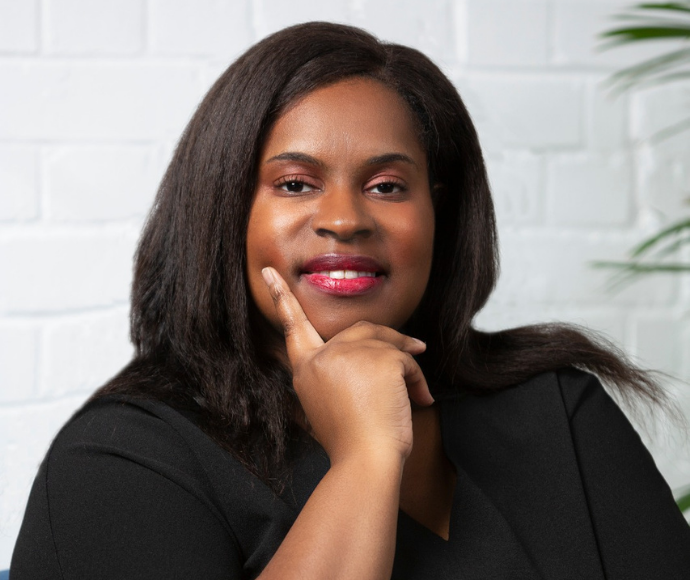
To mark Fibroid Awareness Month, we spoke to Endometriosis UK volunteer and Trustee Sanchia about her experience of being diagnosed with fibroids alongside endometriosis, and what she'd like others to know.
Sanchia was diagnosed with fibroids in 2017, while undergoing fertility treatment. During one of her scans, clinicians identified small fibroids, a discovery that came as a surprise to Sanchia. "Unlike many women with fibroids, I wasn't experiencing symptoms that I recognised as being linked to them," she explains. At the time, her focus was on fertility treatment and managing her endometriosis.
For Sanchia, her fibroids diagnosis added another layer of uncertainty to an already complicated health journey. "When you're navigating fertility treatment and managing a chronic condition, any additional diagnosis can bring worries about future health, treatment options and what it might mean for your plans and aspirations," she says.
Sanchia is speaking about her experience because she knows how common it is to discover fibroids unexpectedly, often while being investigated for something else entirely. "Fibroids are extremely common, yet conversations about gynaecological health are still not as open as they should be," she says, “awareness helps us understand what is normal and what isn't, encourages us to seek medical advice when something feels wrong, and helps chip away at the stigma that still surrounds menstrual and reproductive health.”
Having lived with both endometriosis and fibroids, she wants others to know they are not alone, and that their symptoms and experiences deserve to be taken seriously.
Sanchia shares her advice to anyone who has been told they have fibroids and feels overwhelmed, "It's completely normal to feel overwhelmed, but try not to panic," she says. "Fibroids are very common, and everyone's experience is different. Some people experience significant symptoms, while others, like me, may have fibroids that cause very few problems."
She encourages taking time to understand your diagnosis, ask questions, and talk through your options with your healthcare team, without comparing your situation to anyone else's, since fibroids can affect people in very different ways. "Most importantly, remember that a diagnosis is information, it doesn't define you. The more informed you are, the better equipped you'll be to make decisions that are right for you."
This Fibroid Awareness Month, we're committed to keeping these conversations going, and to pushing for the research, recognition and care that everyone affected by fibroids deserves.